










Recent disclosures about Swiss banks have once again sparked debates about their role in facilitating financial crimes. For years, Switzerland has been perceived as a „safe haven” for illicit funds, hosting accounts linked to dictators, criminals, and money laundering networks. In recent incidents, U.S. authorities accused the now-defunct Swiss bank MBaer of money laundering related to the sale of Venezuelan oil, circumventing American sanctions. Meanwhile, the Swiss Attorney General fined two local banks, J. Safra Sarasin SA and Pictet Bank, for similar activities involving high-ranking Brazilian officials.
Swiss banks’ long-standing reputation as purveyors of „dirty money” stems from decades of financial indiscretions. During World War II, Switzerland was a conduit for Nazi gold, much of which came from looted reserves in occupied countries and gained notoriety for not returning Holocaust victims’ assets until 1998 under international pressure.
The 2015 HSBC data leak further tarnished Switzerland’s image, revealing how the bank facilitated accounts for dictators, arms dealers, and corrupt officials, enabling them to create offshore structures to conceal the origin of their funds. Similarly, the 2022 Credit Suisse data leak highlighted connections between clients and various corrupt and authoritarian regimes, including key figures linked to Gaddafi and Nigerian and Congolese dictators.
More than just facilitating financial crimes, Switzerland’s association with radical Islamist groups has been scrutinized. The 2019 book „Qatar Papers” alleges that several Islamist centers in Switzerland, financed by Qatar, serve as propagandist tools, challenging its image of neutrality.
In response to these ongoing scandals, countries worldwide, including Poland, are bolstering laws against illicit capital. Poland plans to enhance its financial oversight by 2026, specifically targeting state enterprises, financial services, and tax issues, with ongoing investigations into state entities and significant financial misconduct.
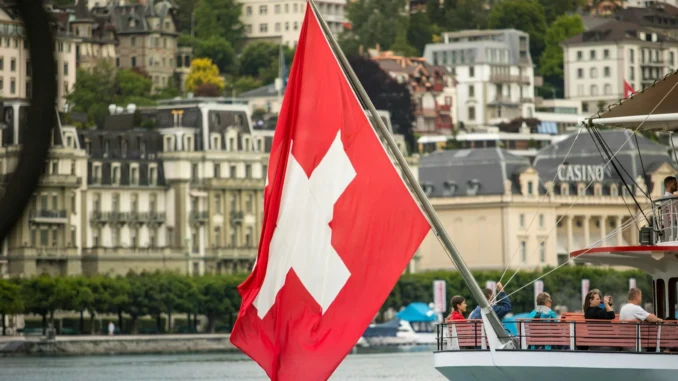
The Swiss banking system, historically viewed as a bastion of neutrality, is increasingly seen as a convenient smoke screen for financial malpractice and controversial affiliations. Switzerland’s perceived neutrality, long a pillar of its international image, is now questioned in light of these revelations.